Top Electrician in Toronto for Emergency Services
Safeguard Your Home: Important Services from Certified Electricians
Professional electricians deliver crucial services that enhance residential safety. They address common electrical problems and perform routine inspections to uncover existing risks. These professionals guarantee that installations meet safety standards while also advising on enhancements to older systems. Being aware of these important services can prevent emergencies and protect property value. Residents frequently ask what specific issues electricians tackle and how to select the right expert for their needs.
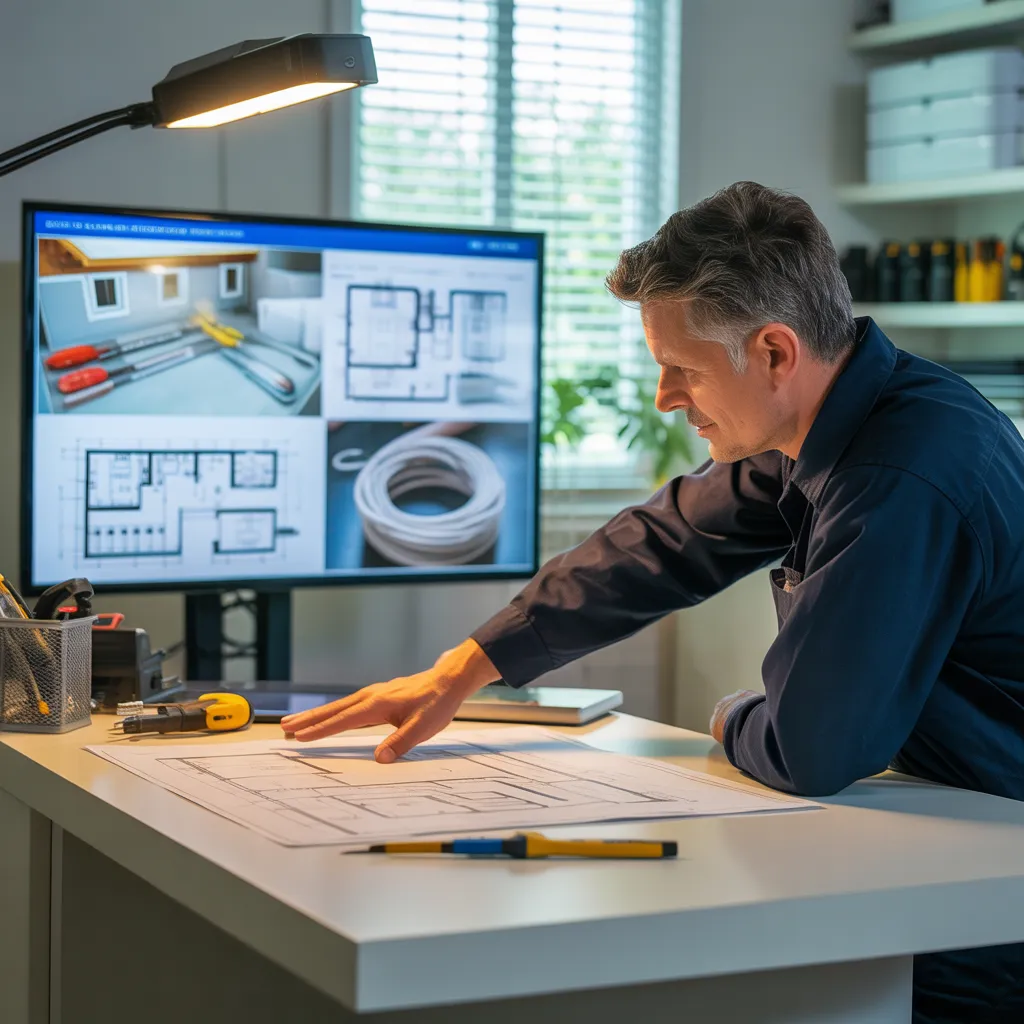
Common Electrical Problems and How to Fix Them
Electrical problems can interfere with everyday routines, making it important to identify frequent issues and how to address them. Lights that flicker, for instance, often result from loose bulbs or faulty wiring. Tightening connections or replacing bulbs can resolve this issue. Circuits carrying excessive loads, characterized by frequent breaker trips, can be addressed by spreading appliances across multiple circuits or installing a new electrical panel.
Another common issue involves outlets that stop functioning, which can result from tripped breakers or faulty wiring. Checking the breaker and examining the outlet can assist in determining the source of the problem. Additionally, ground fault circuit interrupters (GFCIs) might trip without warning because of moisture or malfunctioning devices; resetting the GFCI or swapping out faulty devices can bring back full functionality. Identifying these frequent electrical concerns allows homeowners to resolve problems quickly, guaranteeing safety and effectiveness throughout their homes.
The Importance of Regular Electrical Inspections
Even though many homeowners often ignore the significance of routine electrical inspections, such evaluations are critical for preserving the safety and functionality of every property. Regular inspections identify potential hazards such as deteriorating wiring, obsolete systems, and overwhelmed circuits, which can lead to fire hazards or critical equipment breakdowns. By tackling these problems before they escalate, property owners can avoid costly repairs and ensure adherence to safety standards.
Additionally, inspections are instrumental in uncovering energy inefficiencies, making way for improvements that produce reduced utility costs. Qualified electricians hold the knowledge to spot early signs of wear and damage that are often overlooked without professional training. Additionally, routine inspections often enhance the longevity of electrical components and appliances, supporting the long-term value of the home. Ultimately, prioritizing regular electrical inspections is a significant step in safeguarding the safety of residents and the structural integrity of the property.
How Inspections Contribute to Safe Installations
Routine electrical inspections serve a critical function in guaranteeing that installations are performed safely and efficiently. These inspections allow licensed electricians to evaluate existing wiring, outlets, and fixtures, detecting potential dangers or code violations before new installations begin. By assessing the general state of the electrical system, electricians can address issues such as outdated wiring or inadequate grounding, which may pose a threat to safety.
Furthermore, inspections offer a chance to confirm that all elements satisfy existing safety codes. This preventative approach not only improves the safety of the installation but also shields homeowners from potential electrical failures or dangers. Professional electricians leverage their skills to advise on required improvements or modifications, ensuring that all installations align with best practices. Ultimately, regular inspections cultivate a safer living environment, fostering peace of mind for homeowners and reducing the risk of electrical fires or malfunctions in the future.
Upgrade Your Electrical Panel for Safety
Modernizing the electrical panel is a crucial step in boosting residential safety. An aging electrical panel can cause considerable risks, including damage to appliances and electrical fires. Professional electricians endorse this update to meet modern electrical demands and secure dependable power delivery.
Newer panels come equipped with advanced safety features, such as circuit breakers that promptly interrupt electrical flow during overloads or faults. This reduces the chances of overheating and related dangers. Furthermore, an upgrade frequently enables the addition of more circuits, addressing the rising number of electronic devices used in homes today.
Homeowners might experience flickering lights, frequent circuit breaker trips, or a burning smell, all of which are indicators that an upgrade could be needed. Speaking with a qualified electrician can offer guidance on whether an electrical panel upgrade is needed, creating a more secure living space while accommodating the needs of today's electrical demands.
How to Handle an Electrical Emergency
Electrical emergencies can arise unexpectedly, often emphasizing the significance of a well-maintained electrical panel. In such situations, prompt action is essential to secure safety. First, people should remain calm and examine what is happening. If there is a fire or smoke, evacuating the premises and calling emergency services takes precedence. For electrical shocks, it is important not to make direct contact with the victim and instead employ a non-conductive item to disconnect them from the electrical source.
Should a power outage happen, checking the circuit breaker is a prudent step before contacting a licensed electrician. Should strange odors or buzzing noises come from outlets, it is critical to disconnect appliances and cease using them until a qualified expert can evaluate the system. Ultimately, maintaining copyright information for a licensed electrician within reach can enable prompt response during urgent situations, securing safety and limiting possible damage.
How to Select the Best Licensed Electrician
How can one guarantee they select the right licensed electrician for their needs? The first step is to validate the electrician's license and insurance, making certain they align with local regulatory standards. Additionally, gathering referrals from friends, family, or online reviews can offer valuable information about the electrician's dependability and standard of work.
Furthermore, one should inquire about the electrical contractor's qualifications and areas of expertise, as certain electricians specialize in residential electrical projects while others have greater expertise in business-related electrical projects. Obtaining a thorough cost breakdown, including parts and labor costs, is helpful for making cost comparisons and eliminating unexpected fees.
Furthermore, assessing the ability to communicate is important; a skilled electrician should explain issues clearly and reply to inquiries patiently. In conclusion, inquiring about warranties on jobs completed can demonstrate a focus on quality. By evaluating these aspects, homeowners can choose wisely, securing both safety and satisfaction with their chosen electrician.
Commonly Asked Questions
What Qualifications Should I Consider When Hiring a Licensed Electrician?
When searching for a certified electrician, you should consider important factors such as valid licensing, relevant certifications, substantial experience, favorable customer reviews, and compliance with safety standards, ensuring both competency and reliability in electrical services.
How Much Do Electrical Services Typically Cost?
Electrician services commonly cost from $50 to $100 per hour, subject to the difficulty of the work and the electrician's qualifications. Additional fees may apply for necessary materials, official permits, or emergency requests outside normal business hours.
Is There a Warranty Provided for Electrical Work?
Many certified electrical contractors offer guarantees for their electrical work, generally covering materials and labor for a defined length of time. Such coverage ensures customer satisfaction and delivers peace of mind with respect to the durability and quality of the electrical repairs and installations carried out.
Can I Perform Electrical Work Myself?
Even though homeowners might consider tackling electrical work independently, this is typically not recommended. Licensed electricians possess the expertise and knowledge necessary to guarantee safety and compliance with regulations, reducing the likelihood of accidents and dangerous situations.
How Often Should I Schedule Electrical Inspections?
Homeowners should plan electrical system inspections every three to five years, or read more more often if problems arise. Periodic inspections help identify potential hazards, guaranteeing protection and adherence with modern electrical safety standards and codes.